1-2-36/2, Road No 2, ASR Raju Nagar, Beside Community Hall, Nizampet
Agnikarma
- What is Agnikarma?
Agnikarma for Natural Pain Relief
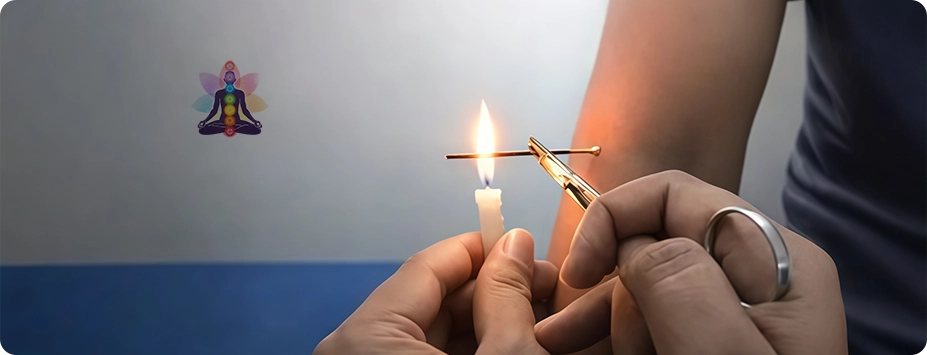
Agnikarma is a specialized para-surgical Ayurvedic procedure described in the ancient texts of Sushruta. In this therapy, controlled therapeutic heat is applied to specific points of the body using a specially designed metallic instrument to relieve pain and stiffness. It is widely used in Ayurveda for musculoskeletal and chronic pain conditions.
Common Conditions

Knee pain / Osteoarthritis

Cervical & lumbar spondylosis

Sciatica

Chronic back pain

Frozen shoulder

Tendonitis

Tennis elbow

Jaundice disease

Joint stiffness

Research Studies and Ayurvedic clinical practice report pain-relieving benefits and disease correction with Agnikarma in musculoskeletal disorders.
Procedure of Agnikarma
- Detailed consultation and assessment
- Identification of painful/tender points
- Controlled heating of Agnikarma Shalaka
- Gentle application of control Regulated heat
- Cooling and soothing herbal application
- Post-procedure care instructions
The procedure is usually performed on an OPD basis and generally takes 10-30 minutes. Depending on the condition, therapy sittings may be recommended.
Benefits of Agnikarma
- Natural Pain Relief Therapy
- Quick pain relief
- Minimally invasive procedure
- Helps reduce stiffness
- Improves mobility
- OPD-based treatment
Modern Ayurvedic centers describe Agnikarma as a focused therapy for chronic pain and inflammation.
Safety & Precautions:
Agnikarma should always be performed by a qualified Ayurvedic practitioner trained in the procedure.
Frequently Asked Questions
Is Agnikarma painful?
A mild heat sensation may be felt during the procedure, but it is generally tolerable.
How many sittings are required?
Therapy sessions are recommended based on the patient’s condition and treatment requirements.
Is hospitalization needed?
No, Agnikarma is usually performed as an outpatient (OPD) procedure.
Are there any side effects?
When performed by trained Ayurvedic professionals, complications are minimal.
How long does the procedure take?
The therapy usually takes around 10–30 minutes depending on the condition. Depending on the condition, therapy sittings may be recommended.